


At our mental health center, we believe in supporting the whole person—mind, body, and spirit—at every stage of life, from toddlers to elders. One gentle yet powerful tool we often recommend as part of a holistic wellness plan is essential oils. These natural plant extracts have been used for centuries to support emotional balance, reduce stress, and even aid in trauma recovery.
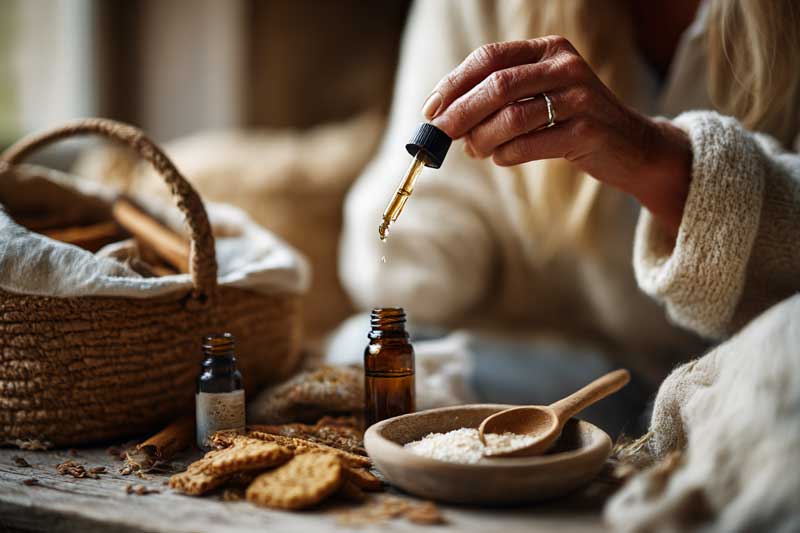
Let’s explore how essential oils can enhance mental and emotional wellness, how to use them safely, and how they can be a soothing support tool for individuals and families alike.
What Are Essential Oils?
Essential oils are concentrated plant extracts obtained from flowers, leaves, bark, or roots. Each oil carries the unique scent and therapeutic properties of its source. Because scent is directly linked to the brain’s limbic system—where emotions and memories are stored—aromatherapy can be a powerful way to influence mood, manage stress, and support emotional healing.
Mental and Emotional Benefits of Essential Oils
Essential oils can offer a variety of emotional and psychological benefits, including:
- Reducing anxiety and calming the nervous system
- Helping to regulate mood and emotional outbursts (in children and adults)
- Creating a sense of safety or grounding during trauma recovery
- Supporting better sleep and rest
- Helping with focus and attention (especially in children with ADHD or sensory issues)
- Supporting grief, loss, or emotional processing
Common Essential Oils and Their Uses
Here are some well-known oils and how they may help:
- Lavender – calming, helps with sleep, soothes anxious thoughts
- Frankincense – grounding, helpful in trauma work and meditation
- Chamomile (Roman or German) – emotionally soothing, especially for children
- Peppermint – uplifting, clears mental fog, aids with focus
- Bergamot – eases depression and anxious tension
- Ylang Ylang – supports emotional balance and lowers heart rate
- Cedarwood – grounding, often used for focus and sleep
- Orange (Sweet Orange) – mood-boosting and comforting
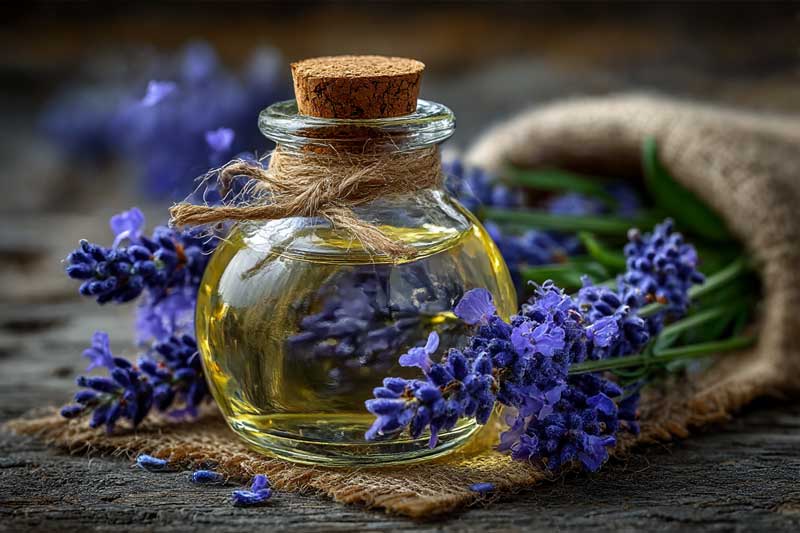
Safe Ways to Use Essential Oils
Essential oils are incredibly potent and should be used with care. Here are some popular and safe ways to incorporate them into your routine:
Aromatherapy/Diffusion
- Use 3–5 drops in an essential oil diffuser
- Use in a personal inhaler or diffuser necklace for on-the-go support.
Topical Application
- Always dilute essential oils with a carrier oil (like coconut, jojoba, or almond oil) before applying to the skin.
- Apply to pulse points, bottoms of feet, back of neck, or over the heart.
Baths
- Add a few drops of oil (mixed with a carrier oil or unscented bath gel) to a warm bath for relaxation
Compresses
- Soak a cloth in warm water with a few drops of essential oil for use as a calming compress.
Special Tip for Kids: Create a “calm down” roller bottle with diluted lavender or chamomile and let them apply it when they need support.
Safety Tips and Warnings
While essential oils are natural, they are also powerful and should be used with caution:
- Always dilute: Never apply essential oils directly to the skin without dilution.
- Patch test first: Especially important for children or those with sensitive skin.
- Avoid internal use unless guided by a qualified professional.
- Be cautious with pets and babies: Not all oils are safe around young children or animals (e.g., tea tree and eucalyptus should be avoided with babies).
- Storage matters: Keep oils in dark, cool places away from children.
Always consult a healthcare provider or a certified aromatherapist if you have medical conditions or concerns.
Essential Oils as a Support Tool in Therapy
While essential oils are not a cure-all, they can be a wonderful complement to counseling, mindfulness practices, and healthy coping strategies. Using oils in therapy sessions or at home can help:
- Regulate the body’s stress response
- Create a calming environment
- Reinforce healthy emotional habits
- Make transitions (such as bedtime or school drop-off) smoother for kids
Many clients find that pairing essential oils with other wellness tools—like journaling, guided meditation, or grounding exercises—enhances their emotional resilience.
Final Thoughts: Nature’s Gentle Ally
From toddlers with tantrums to elders navigating grief or anxiety, essential oils offer a gentle, accessible way to support emotional well-being. When used mindfully and safely, they can be a powerful tool to help manage stress, promote healing, and create moments of calm.
If you’re curious about incorporating essential oils into your wellness or mental health journey, we’re happy to guide you. Whether through education, resources, or personalized recommendations, our team is here to help you (or your child) find balance—one breath at a time.
Becoming Exceptional has a DoTerra office online if you want to shop there for essential oils. https://www.doterra.com/US/en/site/becomingexceptional
