


When a child or teen has experienced sexual abuse—or a sexual experience before they were ready—it can deeply affect the child and the people who love them. These experiences can feel confusing, overwhelming, and frightening. Healing is possible, but it does not happen on a schedule, and it does not look the same for every child.
The most important message for children and teens is this:
What happened was not your fault. You are not broken. And you deserve safety, care, and choice as you heal.
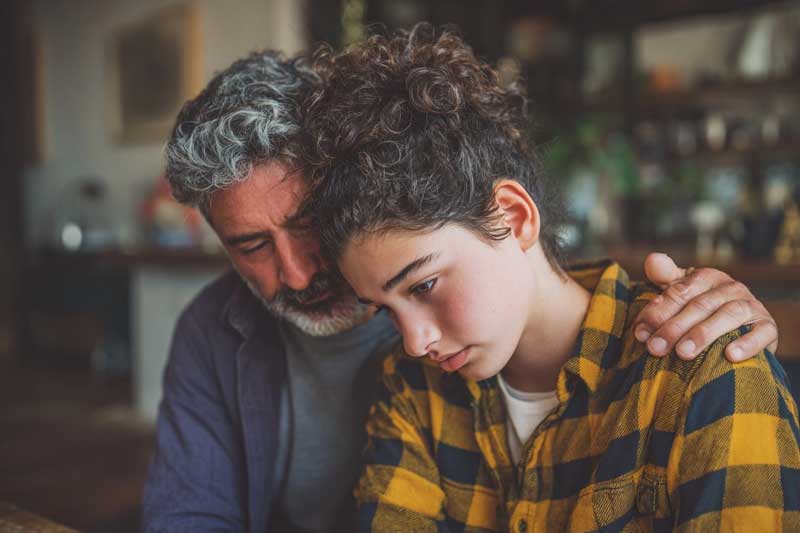
For Children and Teens: What You Should Know
- You did nothing to cause what happened
- You are allowed to talk—or not talk—about it
- You get to decide when, how, and with whom you share
- Strong feelings or big reactions do not mean something is wrong with you
- Healing can happen slowly, gently, and in many different ways
When Memories Come Back Later
Some children or teens don’t remember what happened until years later. This is common and normal.
Memories may return:
- During puberty
- After learning about relationships or sex
- When something feels similar (a smell, sound, or situation)
- When life feels safer and the brain is ready to process
Remembering later does not mean it didn’t happen.
It means your brain protected you until you were ready.
Children and teens should never be pressured to explain, prove, or give details.
Talking About Safe Touch and Unsafe Touch
Healthy conversations about bodies and boundaries should be simple, calm, and ongoing.
Safe Touch:
- Helps you feel comfortable, respected, and cared for
- Stops when you say “no”
- Is never secret or confusing
Unsafe Touch:
- Makes you feel scared, uncomfortable, confused, or pressured
- Involves secrets or threats
- Happens when someone ignores your “no” or your body signals
- They are allowed to say “no” to anyone
- Their body belongs to them
- Telling a trusted adult is always okay—even if someone said not to
Avoid scare tactics. Safety education works best when children feel calm and empowered.

Supporting a Child or Teen as They Heal
What Helps Most:
- Believe them
- Stay calm (even if you feel overwhelmed inside)
- Follow their pace
- Do not push for details
- Reassure them often that they are safe now
Pushing for information can unintentionally make children feel:
- Pressured
- Responsible for adult emotions
- Unsafe or shut down
Let them lead. Healing happens through safety and trust.
Understanding Big Feelings and Reactions
Children with early sexual trauma may have emotional or behavioral responses that seem bigger than the situation.
This can include:
- Intense fear or anger
- Shutdown or withdrawal
- Sudden tears or panic
- Strong reactions to touch, tone, or limit-setting
- Regression (bedwetting, clinginess)
- Risk-taking or controlling behaviors in teens
These reactions are not “bad behavior.”
They are the nervous system trying to protect.
Allowing Big Feelings in Safe Ways
Parents can help by offering outlets such as:
- Drawing, painting, or journaling
- Music, drumming, or singing
- Movement (walking, yoga, sports)
- Squeezing a pillow or stress ball
- Deep breathing with a trusted adult nearby
- Naming feelings without fixing them
Example:
“I can see this feels really big. I’m here. You’re safe.”
Helping Parents Process Their Own Reactions
Parents often feel:
- Rage
- Guilt
- Grief
- Helplessness
- A strong urge to “fix” things quickly
These reactions are understandable—but children heal best when adults manage their own emotions outside of the child.

Helpful steps:
- Seek your own counseling or support
- Talk with a trusted adult, therapist, or support group
- Avoid questioning or interrogating your child
- Remember: your calm presence is more powerful than answers
You cannot pour from an empty cup.
The Impact on Siblings and Extended Family
Sexual trauma affects the whole system.
Siblings may:
- Feel confused, scared, or left out
- Act out or become overly protective
- Have questions they don’t know how to ask
Extended family may:
- Disagree on how to respond
- Minimize or overreact
- Struggle with boundaries
It is okay to:
- Limit information to what is necessary
- Set firm boundaries around contact
- Protect your child’s privacy
- Ask professionals to help guide family conversations
Keeping Everyone Safe Moving Forward
Safety includes physical and emotional protection.
This may involve:
- Clear supervision plans
- Adjusting family contact or routines
- Teaching consent and boundaries
- Monitoring online activity
- Ensuring the child has access to trusted adults
- Consistent routines and expectations
Safety plans should be calm, clear, and non-punitive.
Book Resources (Child-Friendly and Parent-Supportive)
For Children:
- No Means No! by Jayneen Sanders
- Let’s Talk about Body Boundaries, Consent and Respect by Jayneen Sanders
When to Seek Professional Support
Consider trauma-informed therapy if a child:
- Has ongoing fear, panic, or shutdown
- Shows significant behavior changes
- Has trouble sleeping or eating
- Expresses shame or self-blame
- Engages in self-harm or risky behaviors
If a child or teen feels unsafe or overwhelmed:
- 988 Suicide & Crisis Lifeline (U.S.) — Call or text 988
- Local crisis lines or child advocacy centers
A Final Message
Healing from sexual trauma is not about forgetting.
It is about regaining safety, voice, and choice.
Children heal best when they are:
- Believed
- Protected
- Allowed to move at their own pace
- Surrounded by calm, steady adults
There is hope. There is help. And healing can unfold—one safe step at a time.