


Bullying is something many kids and teens hear about—but it isn’t always easy to recognize or know what to do when it happens. Understanding what bullying is (and what it isn’t) helps kids stay safer, speak up, and support each other.
No one deserves to be bullied. Everyone deserves to feel safe at school, online, and in their community.
What Is Bullying?
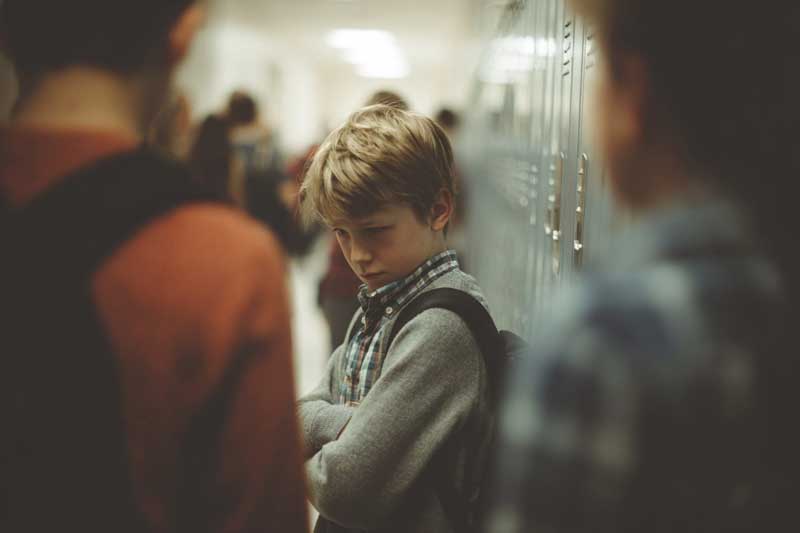
Bullying is repeated behavior meant to hurt, scare, or control someone. It usually involves a power imbalance, meaning one person has more social power, size, popularity, or control.
Bullying can happen in different ways:
Types of Bullying
- Verbal bullying – Name-calling, teasing, insults, threats
- Physical bullying – Hitting, pushing, tripping, damaging belongings
- Social bullying – Excluding others, spreading rumors, embarrassing someone on purpose
- Cyberbullying – Mean messages, posts, comments, or sharing pictures online to hurt someone
Bullying vs. Conflict
Not every disagreement is bullying.
- Conflict: Both people have power and can speak up
- Bullying: One person repeatedly hurts another who feels unable to stop it
Warning Signs of Bullying
Bullying isn’t always obvious. Sometimes the signs show up in changes in feelings or behavior.
Signs You Might Be Being Bullied
- Feeling anxious, sad, or angry about school or activities
- Avoiding certain places, people, or online spaces
- Complaints of headaches or stomachaches
- Trouble sleeping or changes in eating
- Sudden drop in grades or interest in things you enjoy
- Feeling worthless, embarrassed, or afraid
Signs Someone Else Might Be Being Bullied
- Frequent injuries or damaged belongings
- Being left out often or sitting alone
- Sudden mood changes or emotional outbursts
- Avoiding social situations or school
- Becoming quiet, withdrawn, or unusually upset
If you notice these signs in yourself or others, it’s important to take them seriously.
Ways to Safely Address and Stop Bullying
Stopping bullying doesn’t mean putting yourself in danger. Safety always comes first.
1. Use Strong, Clear Boundaries (When Safe)
Sometimes a calm, confident response can help:
- “Stop. That’s not okay.”
- “Don’t talk to me like that.”
- “Leave me alone.”
You don’t need to argue or insult back. Walking away is often the strongest choice.
2. Stay With Others
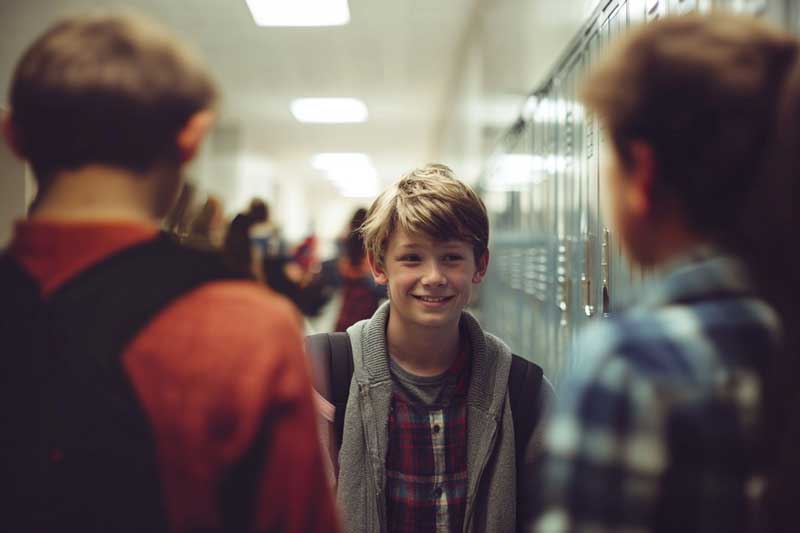
Bullies often target people who are alone. Staying near friends or adults can reduce bullying.
3. Save Evidence (Especially Online)
For cyberbullying:
- Take screenshots
- Don’t respond to mean messages
- Block and report the behavior
- Show the evidence to a trusted adult
4. Ask for Help Early
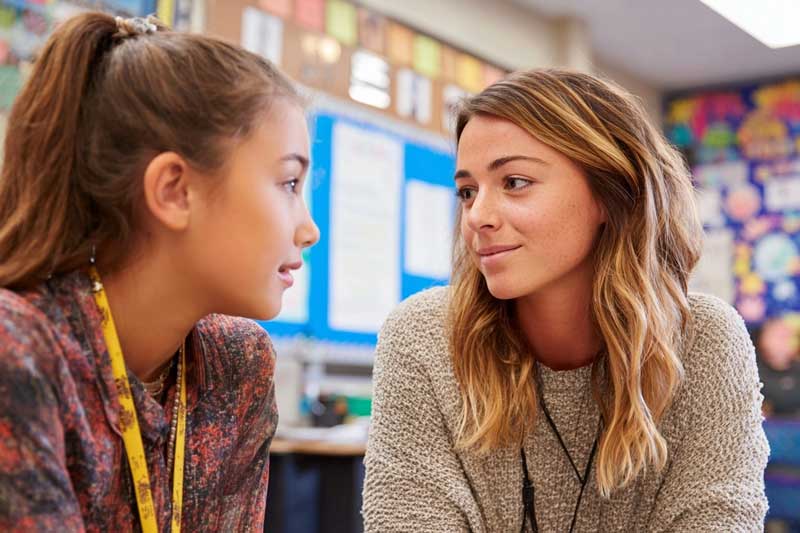
Telling an adult is not tattling—it’s getting support.
Helpful adults include:
- Parents or caregivers
- Teachers
- School counselors or psychologists
- Principals or administrators
- Coaches or youth leaders
Adults can help stop bullying safely and confidentially.
Standing Up for Yourself (and Others)
Standing up doesn’t always mean confronting the bully directly.
You can:
- Support the person being bullied (“Want to sit with me?”)
- Get adult help if someone is being hurt
- Refuse to join in laughing, teasing, or sharing mean posts
- Use your voice to say, “That’s not cool.”
Small actions can make a big difference.
When to Handle It Yourself vs. When to Seek Support
You Might Handle It Yourself If:
- It happens once or twice
- You feel safe
- The behavior stops after setting a boundary
You Should Seek Support If:
- Bullying is repeated
- You feel scared, trapped, or unsafe
- There are threats or physical harm
- It’s happening online and won’t stop
- Your mood, sleep, or schoolwork is affected
If bullying involves violence, threats, or sexual behavior, tell an adult immediately.
Where Can Kids and Teens Go for Help?
You are never alone, even if it feels that way.
Support options include:
- Parents or caregivers
- School counselors, social workers, or psychologists
- Trusted teachers or administrators
- Community youth programs
If someone feels overwhelmed, hopeless, or unsafe:
- 988 Suicide & Crisis Lifeline (U.S.)
Call or text 988 for 24/7 support - Kids Help Phone (Canada): 1-800-668-6868
- Local crisis lines or school-based support services
These resources are for support and safety, not punishment.
A Final Message
Bullying is never the fault of the person being bullied.
Asking for help is a sign of strength. Setting boundaries is a life skill. Supporting others builds safer communities.
Everyone deserves to be treated with kindness, dignity, and respect—at school, online, and everywhere else.