


Anxiety isn’t just something that affects teens or adults. It often begins much earlier—sometimes as early as toddlerhood. But recognizing anxiety in very young children can be tricky, because it doesn’t always look like worry or fear. More often, it shows up in meltdowns, resistance, indecisiveness, or heightened emotional reactions, especially during transitions or in overwhelming environments.
At our mental health center, we work with children and families to understand these early signs of anxiety, learn how to manage them, and help both parents and children build resilience and emotional strength.
Common Signs of Anxiety in Young Children
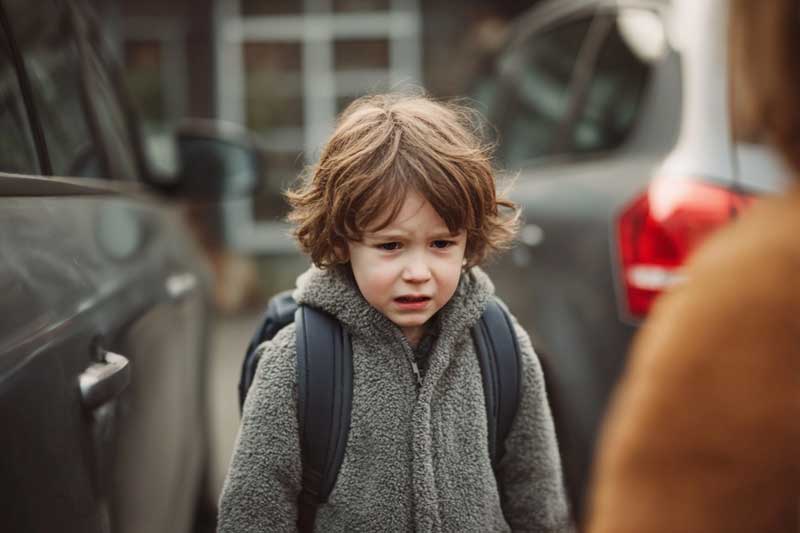
Anxiety in toddlers and young children may look like:
- Frequent meltdowns during transitions
Changes—whether it’s leaving the house, switching from playtime to dinnertime, or transitioning between classes—can be overwhelming. For children with anxiety, uncertainty is especially difficult to manage. These moments often trigger dysregulation and emotional outbursts.
- Distress at school pick-up/drop-off
Separation from a caregiver or navigating busy school environments can trigger intense anxiety. These meltdowns are not signs of manipulation—they’re often signs of overwhelm and fear.
- Avoidance of crowded or noisy environments
Crowds often involve bright lights, loud sounds, unpredictable movement, and social pressure. For children with anxiety, especially those with sensory sensitivities, this can be overstimulating and even painful.
- Difficulty making decisions or perfectionism
Many anxious children see the world in black-and-white terms: something is either perfect or a failure. If they make a mistake, their brain may catastrophize the situation, leading to emotional outbursts or withdrawal.
- Sensory sensitivities
Clothing, food textures, noise, light, and even certain types of affection can be deeply uncomfortable. These aren’t quirks—they’re real, and they’re distressing. For some kids, a seam in a sock might feel like walking with gravel in their shoes. Respecting their sensitivities is the first step to helping them feel safe and supported.
Understanding What Triggers Anxiety in Children
Children often don’t have the words to explain what’s happening inside them, but they show us through their behavior. Anxiety triggers might include:
- Sudden changes in routine or expectations
- Sensory overload (loud sounds, strong smells, uncomfortable clothing)
- Social pressure or performance demands
- Fear of failure, criticism, or disappointment
- Feeling out of control or unable to predict what will happen next
Helping Your Child Manage Anxiety
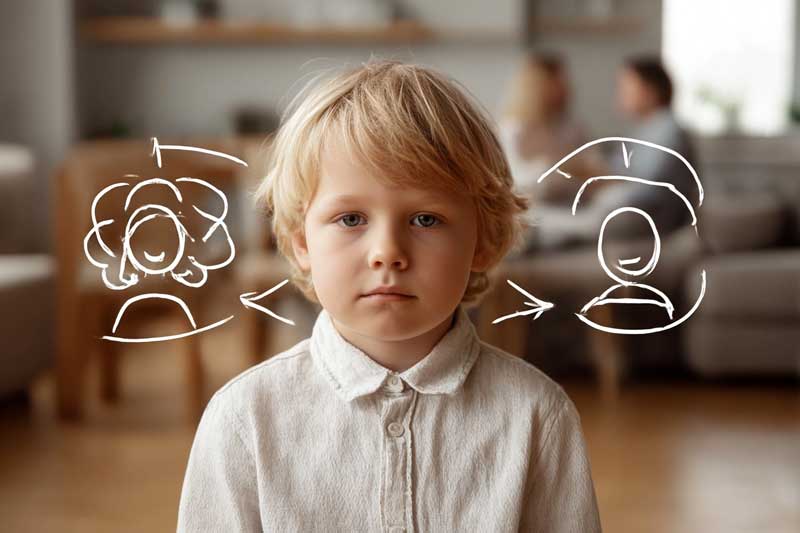
There’s no one-size-fits-all solution for anxiety, but there are powerful tools and strategies that can help.
1. Perspective-Taking and Flexible Thinking
Teach your child how to look at a situation from more than one angle. This can help shift the black-and-white thinking that often drives anxiety. For example:
- “What’s another way we can think about this?”
- “If your friend made a mistake, would you still think they were a good person?”
Using storybooks, role-play, and age-appropriate metaphors can help reinforce flexible thinking skills.
2. Identify Triggers and Create a Plan
Begin to notice patterns—does anxiety flare up in noisy restaurants? When clothing tags scratch? During transitions between activities? Once you know the triggers, you can plan ahead with tools like:
- Visual schedules
- Sensory-friendly clothing
- Transition cues (“In five minutes, we’ll clean up.”)
- Decision aids (“Do you want to wear the red shirt or the blue one?”)
3. Build a Sensory-Safe Environment
Support your child’s nervous system by making their environment more predictable and comfortable. This may include:
- Noise-canceling headphones
- Fidget tools or weighted blankets
- Clothes without seams, tags, or irritating fabrics
- Creating calm-down spaces at home and school
4. Teach Self-Regulation Skills
These are lifelong tools for managing anxiety. Start small and build up over time:
- Deep breathing and body awareness (i.e. “smell the flower and blow out the candle” or “rectangle breathing”) (note Brailey & Rusty – can you link this to the post that showed them how to do rectangle breathing using a piece of paper?)
- Emotional vocabulary (naming feelings helps tame them)
- Grounding techniques (e.g., “5-4-3-2-1” sensory check-in)
- Creative outlets like drawing, movement, or play
5. Model Calm Responses
Children take emotional cues from the adults around them. If we remain calm, compassionate, and patient—even when they’re melting down—they begin to feel safe and learn that emotions can be navigated.
Building Resilience Over Time
While we may not be able to prevent anxiety, we can help our children build resilience—so they feel empowered, not overwhelmed, when anxiety shows up.
- Celebrate small wins—praising progress, not perfection.
- Normalize mistakes—help children understand they are part of learning.
- Practice co-regulation—offering emotional support until children can self-regulate.
- Empower through choices—giving agency helps reduce anxiety.
- Seek professional support—if your child’s anxiety is impacting their quality of life, therapy can help.
Final Thoughts: Compassion First
If you’ve been worried about your child’s intense reactions, meltdowns, or sensitivities—know that you are not alone, and neither is your child. Their experience of the world is deeply real to them, and with understanding, compassion, and the right support, they can learn to manage their anxiety and thrive.
Our team is here to help you uncover the why behind your child’s behavior, and work with you to build tools, routines, and strategies that bring more peace to your home.
Anxiety isn’t a flaw—it’s a signal. And with love and support, it can be managed, transformed, and even become a source of strength.