


Blended families are becoming increasingly common—and while they offer new beginnings, love, and connection, they also come with unique challenges, especially for children. When two families merge, kids may suddenly find themselves with new parent figures, new siblings, and completely different dynamics from one household to the other.
At our mental health center, we support families through the complex process of blending with compassion, patience, and practical tools. Here’s how you can help children feel safe, seen, and supported as they navigate life in a new family system.
Understanding the Child’s Experience
For many children, adjusting to a blended family means navigating multiple emotions: confusion, sadness, anger, anxiety, excitement, and even guilt. These feelings are normal.
Imagine being an only child at mom’s house, then becoming the oldest of five at dad’s house. Or having a new adult suddenly making rules, giving affection, or joining family dinners. It’s a lot.
It’s important to remember:
- Their reactions are not personal. If they’re withdrawing, acting out, or refusing to bond with new family members, it’s not necessarily about you or your new partner. It might be about change, grief, confusion, or a struggle to find their place in the new dynamic.
- Kids need consistency, patience, and time. They aren’t likely to adjust overnight. Some children may resist for weeks or months. Others may initially seem okay, but struggle later. All of this is okay.
Creating a Safe Space for Feelings
Children need space to talk about how they feel without fear of being judged, corrected, or punished. Whether they’re excited, nervous, or angry—it all deserves a voice.
- Let them talk. Set aside regular check-in times to talk about how they’re feeling about the changes. Don’t force them to “get along” or “be happy.” Instead, say things like:
- “How’s it going with the new family setup?”
- “Is anything feeling hard or weird for you?”
- “I want to hear what’s on your mind—no wrong answers.”
- “How’s it going with the new family setup?”
- Normalize their emotions. Say, “It’s okay to feel unsure or frustrated. This is a big change, and you’re allowed to have feelings about it.”
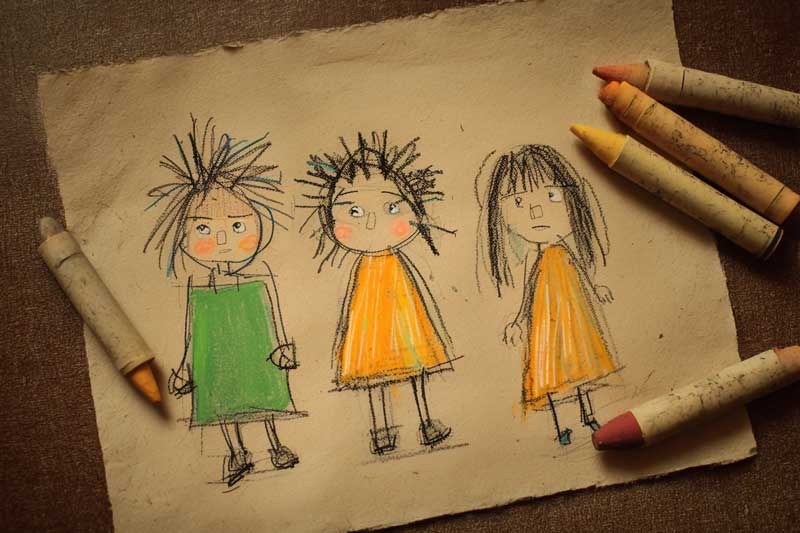
- Use creative tools. Younger kids may express more through drawings or play than words. Use books, emotion charts, or storytelling to help them identify and express what they’re feeling.
Helping Children Feel Secure in Love
One of the biggest fears children experience when families blend is loss of love. Reassure them that:
- Your love doesn’t shrink—it grows. Tell them, “Just like your heart can love more than one friend or grandparent, I can love more people too. And no matter who comes into my life, my love for you stays the same.”
- They matter just as much as anyone else. New siblings or step-parents don’t replace them. They are not in competition for love or space in your heart.
Working with New Family Members
Helping your new partner or your ex’s partner understand your child is key to a smoother transition.
- Share what works for your child. Help new adults understand your child’s triggers, routines, and personality. Share strategies that help them feel safe and connected.
- Model respectful co-parenting. Children thrive when they see their parents and step-parents getting along, even if they aren’t close. Work toward collaborative, not competitive, relationships with ex-partners.
- Have conversations as a family. Talk about what the new family unit looks like—together. Include everyone in the discussions about:
- Family rules and expectations
- Traditions and celebrations
- Chores, routines, and consequences
- What respect looks like in this household
- Family rules and expectations
Open conversations create a shared foundation, reduce misunderstandings, and help everyone feel included.
Be Honest About Expectations
One of the most common sources of tension in blended families is unspoken expectations. Don’t assume everyone has the same definition of bedtime routines, discipline, chores, or affection.
- Talk about it. Say, “In my old family, we did it this way. What did it look like for you? What might work for us now?”
- Create agreements. Come up with house rules and routines together so everyone has a voice. This empowers kids and helps adults align on a shared vision.
Supporting Kids When They’re Not Okay
It’s hard as a parent to see your child struggle, especially when you’re excited about your new relationship or family structure. But it’s important to honor their process.
- Don’t force affection or connection. Relationships take time to build. Let kids set the pace.
- Validate their discomfort. You might say, “I see this is hard for you. I’m here for you, even when it’s messy.”
- Get help if needed. Family therapy, parenting support, and child counseling can all help your family find smoother ways to connect, heal, and grow.
No One Gets Lost
In blended families, some kids may feel left out, while others may dominate. Regular family meetings, one-on-one time, and individual check-ins help ensure:
- Every voice is heard
- Every child feels seen
- Every adult is on the same team
Final Thoughts
Blending families is not a sprint—it’s a journey. With love, open communication, and patience, your family can build something strong, beautiful, and lasting.
If your family is navigating the complexities of divorce, remarriage, or blended living, our therapists are here to support you. We help families build bridges of understanding and connection, no matter where their journey began.
Love doesn’t divide—it multiplies. And your family can, too.