

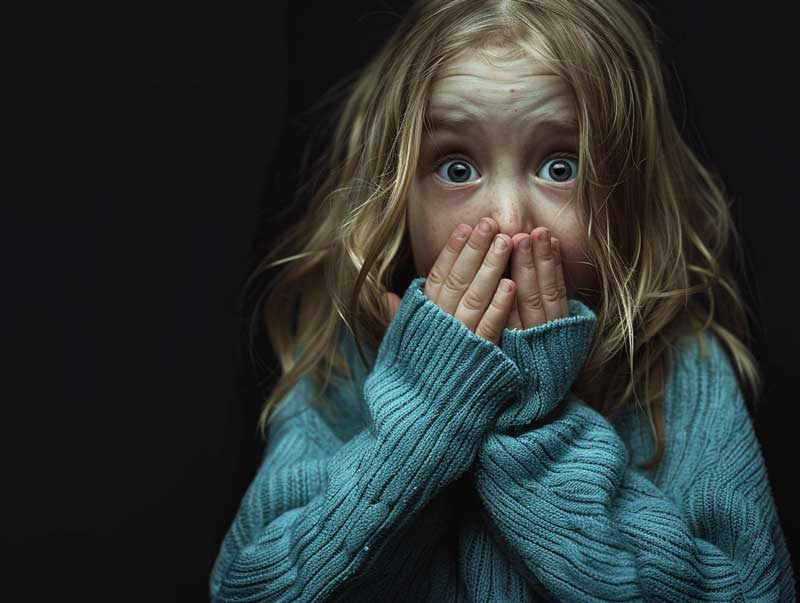
Many parents have experienced moments when their child becomes shy around unfamiliar people, hides behind them in social situations, or refuses to answer a question when feeling nervous. For most children, these moments pass with time and comfort.
However, some children experience something much more significant. They may talk freely at home but become completely silent at school, around extended family, in community activities, or in other social settings. They may desperately want to speak but feel unable to do so.
This may be a sign of Selective Mutism.
Understanding what selective mutism is—and what it is not—can help parents, teachers, and caregivers provide the support children need to develop confidence and communication skills.
What Is Selective Mutism?
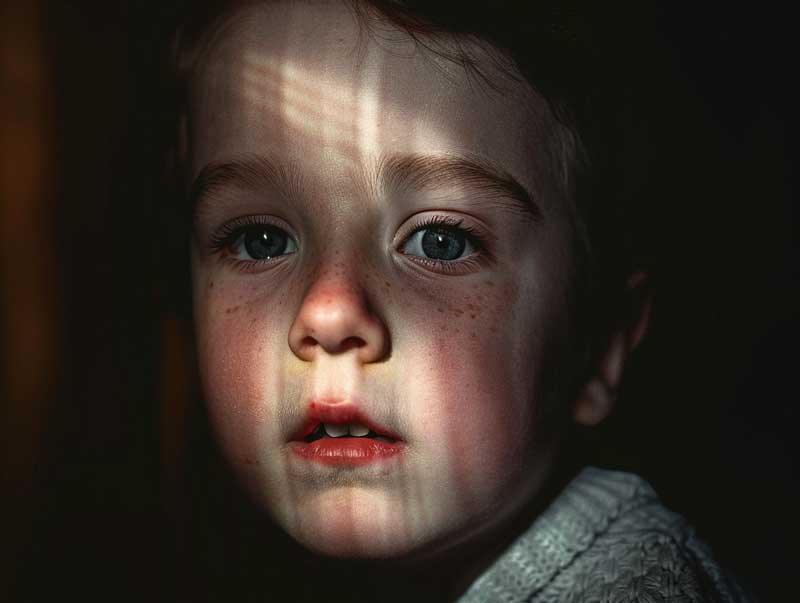
Selective Mutism is an anxiety-based condition in which a child is consistently unable to speak in specific social situations despite speaking comfortably in other settings.
The word “selective” can sometimes be misleading. It may sound as though the child is choosing when to speak and when not to speak. In reality, children with selective mutism are typically not making a conscious decision to remain silent.
Instead, anxiety essentially “freezes” their ability to speak.
Many children with selective mutism can:
- Talk normally at home
- Laugh and play with siblings
- Engage in conversations with trusted individuals
Yet in other environments, they may:
- Speak very little or not at all
- Avoid eye contact
- Freeze when asked questions
- Appear withdrawn
- Communicate through gestures, nodding, or writing
For these children, speaking can feel as overwhelming as standing on a stage in front of thousands of people.
What Does Selective Mutism Look Like?
Every child is different, but common signs include:
At School
- Not speaking to teachers
- Not speaking to peers
- Whispering to only one trusted friend
- Avoiding participation
- Difficulty asking for help
- Not responding when called upon
In Community Settings
- Remaining silent during sports or activities
- Not ordering food at restaurants
- Avoiding conversations with unfamiliar adults
- Becoming distressed when expected to speak
At Home
Many parents are surprised because their child may appear completely different at home.
The child may:
- Talk frequently
- Be playful and expressive
- Show a wide range of emotions
- Communicate without difficulty
This contrast often causes confusion among parents and educators.
What Causes Selective Mutism?
Selective mutism is most commonly linked to anxiety, particularly social anxiety.
Several factors may contribute:
- Temperament and natural sensitivity
- Family history of anxiety
- Social anxiety
- Perfectionism
- Fear of making mistakes
- Speech or language concerns
- Highly self-conscious personality traits
In some cases, trauma or stressful life experiences may contribute to communication difficulties, though selective mutism is most often understood as an anxiety disorder rather than a trauma disorder.
Is It the Parents’ Fault?
One of the first questions many parents ask is:
“Did I cause this?”
The answer is generally no.
Parents do not cause selective mutism by being loving, supportive, or attentive.
However, family responses can unintentionally either support progress or reinforce anxiety.
For example, when a parent consistently speaks for the child in every situation, the child may receive temporary relief from anxiety but lose opportunities to build confidence in communication.
Similarly, if parents become frustrated, embarrassed, or overly focused on getting the child to speak, anxiety may increase.
Most parents are simply doing their best to help their child feel comfortable.
The goal is not to blame parents but to help families learn strategies that gently encourage growth.
How Parents Can Help
Reduce Pressure
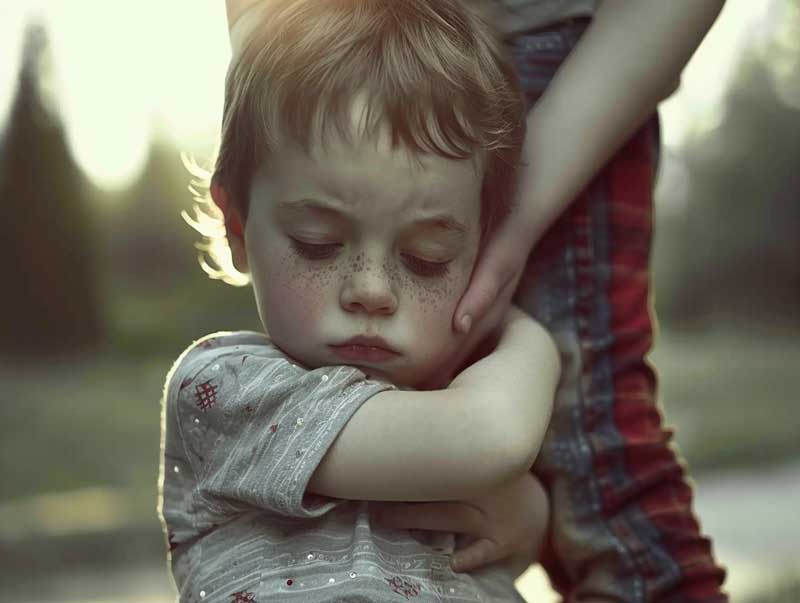
Children with selective mutism often feel tremendous pressure to speak.
Repeated questions such as:
- “Why won’t you answer?”
- “Just say hello.”
- “Use your words.”
- “You talked at home.”
Can unintentionally increase anxiety.
The less pressure a child feels, the more likely communication becomes.
Focus on Connection, Not Performance
Instead of focusing on verbal responses, focus on engagement.
Notice and praise:
- Eye contact
- Participation
- Gestures
- Nodding
- Attempts at communication
These are often important steps toward speaking.
Allow Alternative Communication
Children may initially communicate through:
- Pointing
- Nodding
- Writing
- Drawing
- Texting
- Hand signals
These methods can serve as bridges toward verbal communication.
Celebrate Small Steps
Progress may occur gradually.
Examples include:
- Making eye contact
- Whispering to one person
- Speaking to a trusted peer
- Answering with one word
- Speaking in a small group
Small successes deserve recognition.
What Parents Should Avoid
Avoid:
Bribing or Threatening
Statements such as:
- “I’ll buy you something if you talk.”
- “You’ll lose privileges if you don’t answer.”
Rarely reduce anxiety and may increase stress.
Speaking About the Child in Front of Them
Comments such as:
- “She’s shy.”
- “He never talks.”
- “Good luck getting her to answer.”
Can reinforce the child’s belief that they cannot communicate successfully.
Labeling the Child
Avoid describing the child as:
- Shy
- Difficult
- Stubborn
- Antisocial
Children often internalize these labels.
Instead, emphasize strengths and progress.
Is It Selective Mutism, Defiance, or Something Else?
One of the biggest challenges for parents and teachers is determining whether a child’s silence is caused by anxiety, opposition, or another concern.
Signs of Selective Mutism
A child with selective mutism often:
- Wants to participate but appears frozen
- Shows signs of anxiety
- Speaks comfortably in certain settings
- Appears distressed when expected to talk
- Uses nonverbal communication
- May seem relieved when pressure to speak is removed
Signs of Defiance or Opposition
A child displaying oppositional behavior may:
- Refuse requests across many situations
- Argue openly
- Challenge authority
- Show little anxiety about refusing
- Speak when it benefits them but refuse when limits are set
The motivation behind the behavior is often different.
A child with selective mutism is typically avoiding anxiety.
A child displaying oppositional behavior is generally resisting authority, expectations, or limits.
Other Possibilities
Communication difficulties can also be related to:
- Autism spectrum differences
- Speech and language disorders
- Hearing concerns
- Social anxiety disorder
- Depression
- Trauma-related responses
- Developmental delays
A comprehensive evaluation can help determine what is contributing to the child’s behavior.
Supporting Children at School
School is often where selective mutism becomes most noticeable.
Teachers can make a tremendous difference by creating a supportive environment.
Helpful strategies include:
Build Relationships First
Focus on helping the child feel safe before expecting verbal participation.
Reduce Public Pressure
Avoid:
- Calling on the child unexpectedly
- Requiring oral presentations without accommodations
- Highlighting their silence in front of peers
Allow Gradual Exposure
Communication often develops in stages.
A child may progress from:
- Nonverbal responses
- Whispering
- Speaking to one peer
- Speaking to a teacher privately
- Speaking in small groups
- Speaking in larger settings
Offer Alternative Ways to Participate
Allow:
- Written responses
- Technology-based responses
- Partner activities
- Small-group participation
These options keep children engaged while reducing anxiety.
Effective Therapy for Selective Mutism
The good news is that selective mutism is highly treatable.
Early intervention often leads to the best outcomes.
Therapy may focus on:
Anxiety Management
Children learn:
- Relaxation skills
- Emotional regulation
- Coping strategies
- Confidence-building techniques
Gradual Exposure
Therapists carefully help children take small, manageable steps toward communication.
The goal is never to force speaking.
Instead, therapy helps reduce anxiety so speaking becomes possible.
Parent Coaching
Parents learn:
- How to reduce pressure
- How to encourage communication
- How to respond supportively
- How to collaborate with schools
School Collaboration
Successful treatment often includes communication between parents, therapists, and educators to ensure consistent support.
Hope for the Future
Children with selective mutism are often intelligent, thoughtful, observant, and highly aware of their surroundings. Their silence does not reflect a lack of knowledge, motivation, or personality.
With understanding, patience, and appropriate support, most children can make significant progress and develop confidence in communicating across settings.
The key is recognizing that selective mutism is not a choice—it is an anxiety response.
When adults replace pressure with patience, criticism with compassion, and expectations with gradual support, children are given the opportunity to find their voice at their own pace.
How Becoming Exceptional Healing Center & Resources Can Help
At Becoming Exceptional Healing Center & Resources, we provide trauma-informed, child-centered support for children experiencing anxiety, selective mutism, social challenges, and emotional regulation difficulties.
Through play-based interventions, expressive therapies, parent education, skill-building, and collaborative support with schools, we help children build confidence, reduce anxiety, and develop the communication skills needed to thrive at home, in school, and within their communities.
If you have concerns about your child’s communication patterns, anxiety, or social functioning, reaching out early can make a meaningful difference in their long-term success and well-being.