


One of the most common questions parents ask is:
“Is this normal?”
Whether it’s a preschooler having a meltdown over the wrong color cup, a child who seems unusually anxious, or a teenager who reacts intensely to minor disappointments, it can be difficult to know when a child’s behavior is simply part of growing up and when it may signal something deeper.
Children experience emotions differently than adults. Their brains are still developing, they have fewer coping skills, and they often struggle to communicate what they are feeling. While strong emotions are a normal part of childhood, there are times when a child’s reactions may suggest underlying emotional, behavioral, developmental, or trauma-related concerns that deserve attention.
Understanding the difference can help parents respond with confidence, compassion, and appropriate support.
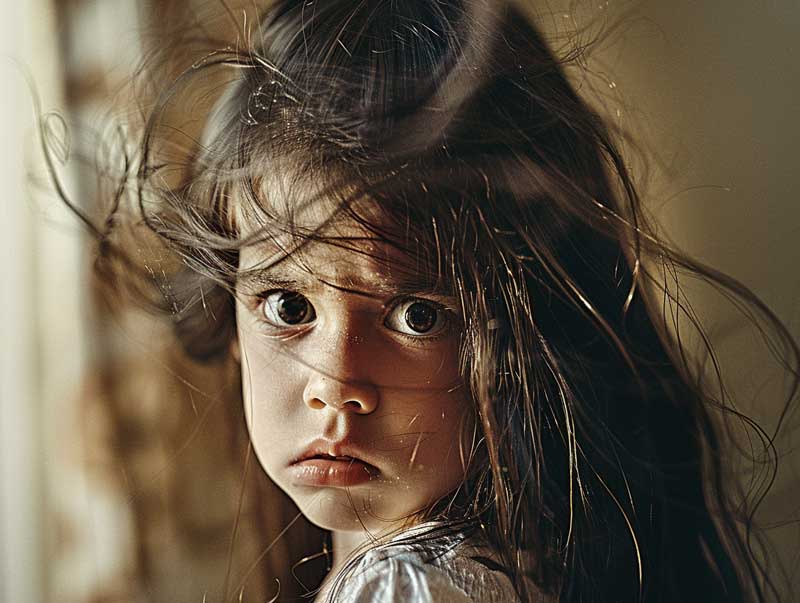
What Is a Normal, Age-Appropriate Reaction?
A normal reaction is one that generally matches a child’s developmental stage, the situation they are facing, and resolves with support and time.
Children are still learning how to:
- Manage disappointment
- Handle frustration
- Regulate emotions
- Solve problems
- Communicate their needs
- Understand social situations
For example:
Preschoolers (Ages 3-5)
It is common for young children to:
- Cry when disappointed
- Have occasional tantrums
- Struggle with sharing
- Become clingy in new situations
- Fear monsters, darkness, or separation from parents
School-Age Children (Ages 6-12)
It is common to see:
- Hurt feelings when left out
- Frustration with homework
- Anxiety before tests or performances
- Occasional emotional outbursts when overwhelmed
- Sensitivity to peer relationships
Teenagers (Ages 13-18)
It is common for teens to:
- Experience mood fluctuations
- Seek greater independence
- Become more concerned about peer acceptance
- React strongly to social situations
- Need more privacy and autonomy
The key question is not whether a child becomes upset, but whether they can eventually recover and return to their typical functioning.
When Does a Reaction Become an Over-Reaction?
The term “over-reaction” can be misleading because every behavior serves a purpose. What appears excessive on the surface may actually be a sign that the child is struggling with something we cannot see.
Instead of asking, “Why are they overreacting?” consider asking:
“What is making this situation feel so big for them?”
Possible signs that a reaction may be disproportionate to the situation include:
- Intense emotional responses to minor frustrations
- Frequent meltdowns beyond what is typical for their age
- Difficulty calming down even with support
- Aggressive behaviors when upset
- Extreme anxiety over routine events
- Emotional reactions that last much longer than expected
- Repeated emotional responses to similar triggers
For example:
A child who cries because they lost a game is likely having a normal emotional response.
A child who loses a game and then experiences hours of inconsolable distress, self-criticism, or intense anger may be struggling with perfectionism, anxiety, low self-esteem, emotional regulation difficulties, or other underlying concerns.
The intensity of the reaction is often less important than the frequency, duration, and impact on daily life.
Signs There May Be Underlying Issues
Sometimes a child’s behavior is communicating something deeper than the immediate situation.
Parents may want to seek additional support when they notice:
Emotional Concerns
- Persistent sadness
- Frequent irritability
- Excessive worry
- Panic-like symptoms
- Emotional numbness
- Extreme fears
Behavioral Changes
- Increased aggression
- Defiance that suddenly worsens
- Withdrawal from family or friends
- Loss of interest in favorite activities
- Significant changes in personality
Academic Concerns
- Declining grades
- Difficulty concentrating
- Increased school avoidance
- Frequent complaints of headaches or stomachaches before school
Social Difficulties
- Trouble making or keeping friends
- Extreme sensitivity to rejection
- Isolation from peers
- Difficulty understanding social situations
Physical Symptoms
Children often communicate emotional distress through their bodies.
Watch for:
- Sleep disturbances
- Frequent headaches
- Stomachaches
- Changes in appetite
- Fatigue
- Increased physical complaints without a medical explanation
Could Trauma Be Playing a Role?
Children who have experienced trauma, abuse, neglect, bullying, medical procedures, family conflict, divorce, loss, or other overwhelming experiences may react differently than their peers.
Trauma responses are often misunderstood as behavioral problems.
A child who appears:
- Defiant
- Angry
- Attention-seeking
- Lazy
- Controlling
- Manipulative
May actually be struggling with:
- Fear
- Hypervigilance
- Anxiety
- Emotional dysregulation
- Feelings of helplessness
- Difficulty trusting others
Trauma can make a child’s nervous system react as though they are still in danger, even when they are safe.
When Childhood Resistance May Actually Be a Trauma Response
Many parents assume a child is simply being oppositional when they refuse requests, resist transitions, or become emotionally explosive.
However, resistance can sometimes be a protective response.
Examples include:
- Refusing to attend school due to anxiety
- Becoming angry when corrected because criticism feels unsafe
- Avoiding activities that remind them of past experiences
- Struggling with transitions due to fear of the unknown
- Reacting intensely to changes in routine
Rather than focusing solely on compliance, it can be helpful to explore what emotions may be driving the behavior.
Ask:
- What might my child be feeling?
- What need are they trying to communicate?
- Is there something making them feel unsafe, overwhelmed, embarrassed, or powerless?
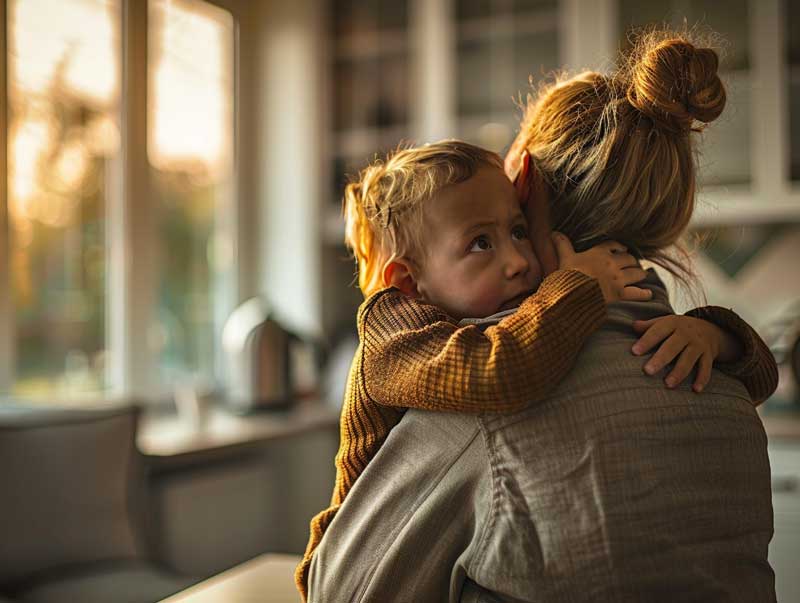
The Importance of Consistency
Children thrive when they know what to expect.
Consistent:
- Rules
- Expectations
- Consequences
- Routines
- Emotional responses from caregivers
Help children develop a sense of safety and predictability.
When rules frequently change or consequences are delivered based on parental frustration, children may become confused, anxious, or reactive.
Consistency does not mean being rigid.
It means providing a stable framework where children know:
- What is expected
- What happens when mistakes occur
- That adults remain calm and supportive during difficult moments
Predictability helps regulate a child’s nervous system and creates emotional security.
How Parents Can Support Their Child
Stay Curious Instead of Judgmental
Try replacing:
“What is wrong with you?”
With:
“What is happening for you right now?”
Curiosity creates connection.
Co-Regulate Before Correcting
A child in distress often cannot learn until they feel safe.
Focus first on:
- Remaining calm
- Offering comfort
- Helping them regulate
Problem-solving can happen later.
Validation does not mean agreeing with behavior.
You can say:
“I can see you’re really disappointed.”
“I understand that felt unfair.”
“You seem overwhelmed right now.”
Children who feel understood often calm more quickly.
Teach Emotional Vocabulary
Help children identify emotions beyond:
- Mad
- Sad
- Happy
Expand their language to include:
- Frustrated
- Embarrassed
- Nervous
- Disappointed
- Lonely
- Jealous
- Confused
- Overwhelmed
The more accurately children can identify feelings, the better they can communicate them.
Look for Patterns
Consider:
- When does the behavior occur?
- Who is present?
- What happened beforehand?
- Are there common triggers?
Patterns often reveal important clues.
When to Seek Professional Help
Consider consulting a mental health professional if:
- Reactions interfere with daily functioning
- Symptoms persist for several weeks or months
- The child seems increasingly distressed
- Family relationships are being significantly impacted
- School performance is declining
- You suspect trauma, anxiety, depression, ADHD, or other concerns
- Your parental instincts tell you something isn’t right
Parents know their children better than anyone else. If something feels concerning, it is worth exploring.
Final Thoughts
Big emotions do not automatically mean something is wrong. Childhood is filled with learning experiences, disappointments, challenges, and developmental growth.
At the same time, persistent, intense, or unusual reactions may be a child’s way of communicating that they need additional support.
Rather than asking whether a child is “overreacting,” consider what their behavior may be trying to tell you.
When adults respond with curiosity, consistency, compassion, and appropriate support, children gain the skills they need to understand themselves, regulate their emotions, and build resilience for the future.
Resources for Parents
- Talk with your child’s pediatrician about concerns.
- Consult with a licensed mental health professional.
- Request support through your child’s school if concerns are impacting learning.
- Keep a behavior journal to identify triggers and patterns.
- Seek trauma-informed care when there is a history of significant stress, adversity, or trauma.
At Becoming Exceptional Healing Center & Resources, we believe that behavior is communication. By understanding the message behind the behavior, parents can better support healing, growth, and healthy emotional development.